
Cookie Preferences

By clicking, you agree to store cookies on your device to enhance navigation, analyze usage, and support marketing. More Info
Thank you! Your submission has been received!
Oops! Something went wrong while submitting the form.



The Background:
Previous research has suggested that people with ADHD have higher rates of death than those without the condition. Until now, many of those studies lacked the detail needed to untangle why this might be the case. A recent meta-analysis of eight separate studies reported that ADHD roughly doubled the risk of death, and it hinted that factors like socioeconomic status and other mental illnesses might help explain the link.
The Study:
To explore this in more detail, researchers used the US National Health Interview Survey, a nationally representative prospective cohort of just over 52,000 adults. Survey records were linked with the National Death Index, and participants were followed from the date of interview until death or December 31, 2019, whichever came first. The main outcome was death from any cause. With a median follow-up of just under eight years, there were 6,024 deaths recorded.
When the team adjusted their analysis for age, sex, ethnicity, and the year of the survey, having ADHD was associated with a 58% higher risk of death. Controlling further for family income and educational level reduced that increased risk slightly, to 50%.
Controlling for health conditions (like high blood pressure, diabetes, stroke, heart disease, and cancer) and lifestyle factors (smoking, alcohol use, physical activity, and body weight) also reduced the association to about 46%.
By contrast, when the researchers adjusted for two psychiatric conditions (anxiety and depression) commonly found alongside ADHD, the link between ADHD and higher mortality disappeared statistically. In other words, once anxiety and depression were taken into account, ADHD itself was no longer associated with a clearly measurable increase in the risk of death.
What Does This Mean?
The authors conclude that the apparent effect of ADHD on mortality seems to operate largely through accompanying mental illness, and to a lesser extent through lifestyle and physical health problems. They suggest that treating and managing these co-occurring issues (through medications, therapy, and behavioral interventions) might help reduce the risk of premature death in people with ADHD, although they note that further evidence is needed.

Background:
There are currently few long-term treatment options for adult ADHD. Psychostimulants can help reduce symptoms, but their benefits rely on availability, continued use, and are not easily tolerated by some. Cognitive-behavioral therapies have also proven to be helpful, but access is limited because they must be provided by trained specialists. These challenges highlight the need to explore alternative interventions that could provide cognitive and behavioral improvements with fewer side effects.
Exercise has shown potential as a nonclinical intervention for ADHD. Previous research indicates that physical activity can increase cortical volume, enhance brain activation, and boost connectivity in cognitive regions, as well as raise dopamine and norepinephrine levels – effects similar to psychostimulants. Research in children and teens with ADHD has found that both regular exercise programs and even single workout sessions can improve executive functions (mental skills like planning and self-control) and reduce core ADHD symptoms. But whether exercise helps adults with ADHD has remained an open question.
Study:
A Chinese sports medicine research team set out to answer this by reviewing all available peer-reviewed studies on exercise and adult ADHD. They found so few studies on regular exercise programs – only four total, and three of those were small pilot studies just testing whether the approach was feasible – that they couldn’t draw firm conclusions about long-term exercise interventions.
However, they were able to analyze four moderate-to-high-quality studies involving 152 adults with ADHD that tested single exercise sessions. The combined results showed moderate improvements in inhibitory control (the ability to resist impulses and stay focused). Adults not taking medication showed large improvements.
When they looked at four studies involving 170 adults, they found small but consistent improvements in core ADHD symptoms after single exercise sessions. There was little to no variation (heterogeneity) in individual study outcomes, and no sign of publication bias.
Results:
The team concluded, “Overall, these findings offer preliminary evidence on the potential role of exercise as a helpful strategy in the management of adult ADHD,” but cautioned that more well-designed randomized controlled trials are needed to determine the efficacy of both acute and chronic exercise interventions for adult ADHD, with particular emphasis placed on determining the best “prescription” for exercise – what type, how intense, and how often.
They also noted that most existing research has focused narrowly on attention and impulse control, while other important mental abilities like working memory and mental flexibility remain largely unexplored.
Take-Away:
The takeaway here is practical and accessible: you don't need a long-term fitness program to get a cognitive bump from exercise if you have ADHD. Even a single session appears to help — particularly with impulse control. While the research base is still thin and we don't yet know the ideal exercise "prescription," the risk-benefit calculation is hard to argue with. For adults with ADHD who can't access medication or therapy, or who simply want an additional tool, breaking a sweat may be worth building into the routine.

Background:
Non-suicidal self-injury (NSSI) means intentionally hurting yourself without trying to end your life. Common examples include cutting, scratching, or burning yourself. This behavior is most common in teenagers, affecting 13-20% of adolescents. It’s also called self-harm or deliberate self-injury.
Young people who struggle with managing emotions, act impulsively, or have mental health conditions like depression are more likely to self-harm.
Because ADHD involves impulsivity and often occurs alongside emotional difficulties, researchers have suspected a link between ADHD and self-injury. However, previous studies have tended to be small, unrepresentative, and inconsistent, making it hard to draw clear conclusions.
The Study:
Researchers combined results from 14 different studies involving nearly 30,000 people to get a clearer picture. They looked at children, teenagers, and adults with ADHD from various settings—including hospitals, community programs, and general population studies.
To be included, studies had to confirm ADHD diagnosis through professional evaluation or validated testing methods.
Key findings
Conclusion:
The researchers concluded that roughly one in four people with ADHD have engaged in non-suicidal self-harm. The findings suggest that ADHD and self-harm share overlapping vulnerabilities.
Overall, this meta-analysis strengthens evidence that people with ADHD face a significantly elevated risk of non-suicidal self-injury, likely reflecting overlapping challenges with impulsivity, emotional regulation, and co-occurring mental health conditions. Importantly, this does not mean self-harm is inevitable in ADHD. It does, however, highlight the need for early screening, supportive environments, and targeted mental-health care to help reduce risk and support healthier coping strategies.

Background:
While ADHD is generally linked to negative childhood outcomes, individual variability exists. Researchers have found that factors like cognition, emotion, parenting, and social interactions can help some adversity-exposed children develop better than expected. This variability has driven extensive resilience research, which now views resilience not as a single trait, but as a combination of biological, psychological, social, and ecological processes supporting adaptation.
The Study:
This meta-analysis sought to address several key research gaps. First, while many potential resilience factors have been identified, no previous meta-analysis has quantitatively synthesized evidence focused specifically on children with ADHD. Second, relatively little research has clarified how particular resilience factors relate to specific developmental outcomes. Third, there is currently no integrated conceptual model of resilience processes tailored to children and adolescents with ADHD.
To keep the analysis focused and clinically relevant, the authors examined psychosocial and ecological resilience factors only. Biological factors (such as genetics or cardiovascular health) and non-modifiable demographic characteristics (such as age and sex) were excluded, as they do not readily inform interventions. The analysis also focused strictly on outcomes for children and adolescents with ADHD, excluding adult outcomes and those reported for parents or teachers. Only studies based on clinical ADHD diagnoses were included.
In total, 28 studies involving more than 11,600 participants met the inclusion criteria. Fifteen studies were rated as high quality and 13 as fair quality; none were rated low quality. However, the evidence base was relatively thin for many analyses. Of the 50 components examined, only one included five studies, six included four studies, ten included three studies, and most (33) were based on just two studies. While some components involved large samples, most did not, meaning the findings should be viewed as suggestive rather than definitive.
Results:
Unsurprisingly, academic skills and cognitive functioning – specifically including working memory and intelligence – were strongly associated with better educational outcomes for children and adolescents with ADHD. In contrast, social skills and proactive attitudes or behaviors showed no significant link to educational attainment.
Well-being outcomes showed a different pattern. Proactive attitudes and behaviors, cognitive functioning, and parental resources were associated with small-to-moderate improvements in well-being. Emotional regulation and positive parenting or attachment, however, were not significantly related to well-being in this analysis.
For relationship outcomes, peer relationships – especially close friendships – stood out as particularly important, showing strong associations with better relational functioning. Social skills and positive parenting or attachment were linked to moderate improvements, although positive parenting alone had no significant effect. This suggests that the observed benefit likely stemmed from parental warmth and secure parent–child attachment rather than parenting practices in isolation. Parental resources (such as parental social support) and school-based support (including student–teacher relationships) showed no significant association with relationship outcomes.
The study also examined behavioral symptoms. Externalizing symptoms refer to outward-directed behaviors that affect others or the environment, such as aggression, defiance, impulsivity, hyperactivity, and rule-breaking. Peer relationships were linked to a modest reduction in these behaviors, while positive relationships with adults were associated with a strong reduction. In contrast, disciplinary parenting – particularly harsh punishment – was strongly associated with increased externalizing symptoms.
Internalizing symptoms involve inward-directed distress, such as anxiety, depression, withdrawal, excessive worry, and unexplained physical complaints. Here again, positive relationships with adults were important, showing a moderate association with fewer internalizing symptoms. Emotional regulation was also linked to small-to-moderate improvements.
Conclusion:
Overall, the findings highlight that resilience factors tend to be closely tied to specific outcomes rather than broadly protective across domains. For example, emotional regulation was associated with lower levels of both internalizing and externalizing symptoms but showed no significant link to well-being, educational achievement, or relationship quality. This suggests that emotional regulation may play a particularly important role in protecting mental health in children with ADHD, rather than driving broader developmental gains – consistent with evidence that emotional dysregulation is a core difficulty in ADHD.
Similarly, academic skills, social competence, and prosocial behaviors were linked mainly to their most closely related outcomes. Cognitive functioning was associated with both educational and well-being outcomes, but its impact was much stronger in education and more modest for well-being. Together, these context-specific patterns underscore the importance of designing interventions that target particular resilience factors with strategies tailored to specific developmental goals, rather than assuming that any single factor will promote resilience across all areas of life.
Key takeaway: resilience is individual and resilience isn’t one trait; different types of support help different individuals, in different areas.

Background:
Traditional measures of obesity, like body mass index (BMI) and waist circumference, have been linked to ADHD risk — but they aren’t great at capturing where fat is actually stored in the body. A newer index called relative fat mass (RFM), which combines height and waist circumference, does a better job of estimating overall body fat and predicting metabolic risks like heart disease and metabolic syndrome. Because those conditions share some underlying biological mechanisms with ADHD, researchers wondered whether RFM might also help explain the relationship between obesity and ADHD — particularly in children.
That question is complicated by the fact that ADHD doesn't look the same in boys and girls. Boys tend to display more hyperactive and impulsive behavior, making their ADHD easier to spot. Girls more often show inattention, which is quieter and frequently goes undiagnosed.
The Study:
A new study set out to test whether RFM is associated with ADHD in children, and whether that association differs between sexes. Using data from the National Health and Nutrition Examination Survey (NHANES) collected between 1999 and 2004, the researchers narrowed a large initial pool of over 31,000 participants down to 5,089 children and adolescents aged 6 to 14 who had complete data on height, waist circumference, ADHD screening, and other relevant variables.
After adjusting for age, race/ethnicity, Poverty-Income Ratio, maternal age at delivery, maternal smoking during pregnancy, health insurance coverage, and birth weight, the results revealed a striking split along sex lines.
In boys, higher RFM was associated with lower odds of ADHD. Compared to boys in the lowest fat-mass quartile, those in the second quartile had about 10% lower odds of ADHD, rising to over 30% lower in the third quartile and nearly 40% lower in the highest. In girls, the pattern reversed entirely. While girls in the second quartile showed similar odds to those with the lowest RFM, girls in the third and fourth quartiles had 60% to 70% greater odds of ADHD.
Conclusion & Why This Matters:
In recent years, the relationship between obesity and ADHD has become an increasingly important focus in pediatric neurodevelopmental research. Studies have reported higher rates of ADHD symptoms among children and adolescents with obesity compared with their non-obese peers, and difficulties with peer relationships have also been linked to increased obesity risk (Sönmez et al., 2019). From a neurobiological standpoint, both conditions may involve shared underlying mechanisms, particularly dysfunction in dopaminergic pathways.
The authors concluded that higher body fat levels appear to lower ADHD risk in boys while raising it in girls. This finding highlights why sex-specific analysis matters in ADHD research. The underlying biological reasons for this divergence, however, remain an open question and open the door for future research.

While ADHD is a developmental disorder, shaped by biology and genetics, growing evidence shows that it is also influenced by the social and environmental conditions in which children grow up. Research on the social determinants of health emphasizes that development is shaped not only by biology but also by factors such as family income, access to healthcare, neighborhood safety, and material stability. These factors can affect both how developmental challenges appear and whether they are recognized and diagnosed.
Children facing socioeconomic disadvantage consistently show higher risks of developmental and behavioral difficulties. Chronic stress linked to poverty – including financial strain, food insecurity, and limited access to resources – has been associated with problems in attention, emotional regulation, and daily functioning. Children from lower-income families also tend to experience more severe ADHD symptoms and face greater barriers to ongoing care.
Neighborhood conditions matter as well. Unsafe environments can limit opportunities for play and social interaction while increasing caregiver stress, all of which may influence children’s behavior and development. Material hardships, such as food insecurity, can further undermine stability at home.
The Study:
The study analyzed six years of data from the National Survey of Children’s Health (2018–2023), covering more than 205,000 U.S. children aged 3 to 17. After accounting for age, sex, race and ethnicity, region, family structure, survey year, and other social factors, the researchers found a strong income gradient in ADHD prevalence. Compared with children in households earning at least four times the federal poverty level, those in households earning two to four times that level had 28 percent higher odds of ADHD. Odds rose to 70 percent higher in households earning one to two times the poverty level, and more than doubled among children living below the poverty line.
Parental education showed a similar pattern. Compared with children whose parents had completed college, ADHD odds were 20 percent higher among those whose parents had some college education, 40 percent higher among those whose parents had only a high school education, and 80 percent higher among those whose parents had not finished high school.
Children living in unsafe neighborhoods had nearly twice the odds of ADHD compared with those in safe neighborhoods, and food insecurity was also linked to almost double the odds.
By contrast, race and ethnicity alone were associated with much smaller differences. Compared with non-Hispanic White children, children in non-Hispanic Black households had an 18 percent higher likelihood of ADHD, while children in Hispanic households had a 25 percent lower likelihood. No substantial differences were observed for children from other or multiracial households.
Conclusion and Takeaway:
The study team concluded, “Children living in lower-income households, experiencing food insecurity, and residing in unsafe neighborhoods consistently showed higher prevalence and higher adjusted odds of both conditions. … Overall, these findings reinforce the need to view neurodevelopmental disorders within a broader social and structural framework.”
It should be noted that this study is not aiming to name social factors as direct causes of ADHD. Rather, it points to socioeconomic disparities as contributing to the way ADHD develops and how it is treated. This type of research, as well as acknowledging barriers to care, is crucial for clinicians, counselors, teachers, etc., to consider when working with youth with ADHD.

Counting umbilical cord vessels is standard in prenatal ultrasounds and confirmed at birth. Single umbilical artery (SUA) occurs in about 1 in 200 cases, with roughly 10% associated with anomalies, including central nervous system defects. Isolated SUA (iSUA) means one artery is missing without other structural issues.
Research on SUA, especially isolated iSUA, and childhood neurodevelopmental disorders (NDD) is limited and inconclusive. iSUA is linked to preterm birth and small-for-gestational age (SGA), both of which are NDD risk factors.
This Norwegian nationwide population study aimed to assess NDD risk in children with iSUA at birth, the influence of sex, and how preterm birth and SGA mediate this relationship.
The nation’s universal single-payer health insurance and comprehensive population registries made it possible to analyze all 858,397 single births occurring from 1999 to 2013, with follow-up continuing through 2019. Among these cases, 3,532 involved iSUA.
After adjusting for confounders such as parental age, education, and maternal health factors, no overall link was found between iSUA and later ADHD diagnosis. However, females with iSUA had about a 40% higher risk of subsequent ADHD compared to those without iSUA, even after adjustment.
The authors concluded, “The present study indicates that iSUA is weakly associated with ID [intellectual disability] and ADHD, and these associations are influenced by sex. This association is mediated negligibly through preterm birth and SGA. The associations were not clinically significant, and the absence of associations of iSUA with other NDD is reassuring. This finding can be useful in the counseling of expectant parents of fetuses diagnosed with iSUA.”

Refractive errors, such as myopia (nearsightedness), hyperopia (farsightedness), and astigmatism (distorted vision due to irregular curvature of the eye or lens), are common worldwide. These conditions affect 12%, 5%, and 15% of children, and rise significantly in adults to 26.5%, 31%, and 40%. Additionally, strabismus (misalignment of the eyes) and amblyopia (reduced vision in one eye from uneven image formation, often linked to strabismus) occur globally at rates of 2% and 1.4%, respectively.
Visual impairment can affect children’s concentration in school, and studies suggest a link between eye disorders and ADHD.
To investigate this relationship, two researchers – one based in the US and the other in Israel –carried out a nationwide retrospective cohort study using electronic medical records of all insured individuals aged 5 to 30 who were part of Maccabi Health Services, Israel’s second largest health maintenance organization, between 2010 and 2022.
Of over 1.6 million insured members (2010–2020), inclusion/exclusion criteria and propensity score matching for age and sex were applied, along with a one-year wash-out period between the first eye diagnosis and ADHD diagnosis. In total, 221,707 cases were matched with controls without eye disorders at a 1:2 ratio, resulting in a cohort of 665,121 participants.
Overall, those with any previous eye diagnosis were 40% more likely to have a subsequent ADHD diagnosis. This was slightly higher for females (45%) than for males (35%). It was also slightly higher for children and adolescents (42%) than for adults (37%).
More specifically:
The authors concluded that eye disorders are associated with ADHD. They noted these associations were more marked in females and children and adolescents, although, as noted above, those differences were small. They recommended that primary care providers and neurologists consider risk stratification for early screening, and that ophthalmologists refer high-risk patients for ADHD evaluation.
Acid-suppressive medications, including proton pump inhibitors (PPIs) and histamine-2 (H2) receptor antagonists, are often prescribed during pregnancy to treat heartburn and gastroesophageal reflux disease.
Research shows changes in the gut microbiome can negatively affect neurodevelopment. Since acid-suppressive medications alter gut microbiota, maternal use during pregnancy may impact offspring’s neurodevelopment. Because PPIs and H2 receptor antagonists readily cross the placental barrier, they could potentially influence fetal neurodevelopment.
The link between prenatal exposure to acid-suppressive medications and major neuropsychiatric disorders is not well understood. With the use of these medications during pregnancy rising, it is important to assess their impact on children's long-term neurodevelopment. This study examined whether maternal use of acid-suppressive drugs is associated with increased risk of neuropsychiatric disorders in children, using a large, nationwide birth cohort from South Korea.
South Korea operates a single-payer health insurance system, providing coverage for over 97% of its citizens. The National Health Insurance Service (NHIS) maintains a comprehensive database with sociodemographic details, medical diagnoses, procedures, prescriptions, health examinations, and vital statistics for all insured individuals.
A Korean research team analyzed data from over three million mother-child pairs (2010–2017) to assess the risks of prenatal exposure to acid-suppressing medications. They applied propensity scoring to adjust for maternal age, number of children, medical history, and outpatient visits before pregnancy, to minimize confounding factors. That narrowed the cohort to just over 800,000 pairs, with half in the exposed group.
With these adjustments, prenatal exposure to acid-suppressing medications was associated with 14% greater likelihood of being subsequently diagnosed with ADHD.
Yet, when 151,737 exposed births were compared to the same number of sibling controls, no association was found between prenatal exposure and subsequent ADHD, which suggests unaccounted familial and genetic factors influenced the preceding results.
The Take-Away:
Evidence of these medications negatively affecting pregnancies is mixed, mostly observational, and generally reassuring when these medications are used appropriately. Untreated GERD and gastritis, however, have known risks and associations with the development of various cancers. With no evidence of an association with ADHD (or for that matter any other neuropsychiatric disorder), there is no current evidence-based reason for expectant mothers to discontinue use of acid-suppressing medications.
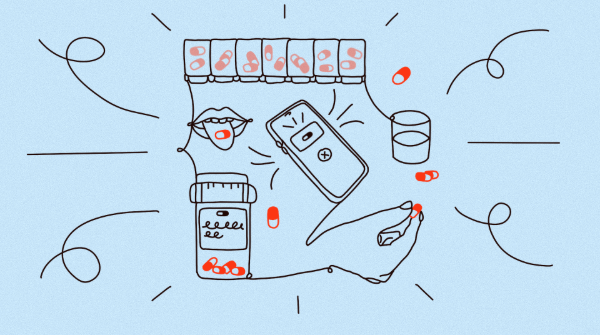
For years, a persistent concern has shadowed the treatment of Attention-Deficit/Hyperactivity Disorder (ADHD): Does the medication eventually stop working? Patients often report that their symptoms seem to return despite consistent use, leading to "dose escalation" or "medication holidays." A new systematic review from Sam Cortese’s team published in CNS Drugs finally puts these concerns to the test by synthesizing decades of empirical research.
Before diving into the findings, you must understand two often-confused phenomena:
The review analyzed 17 studies covering over 10,000 individuals, and the results provide a much-needed reality check for the clinical community.
The researchers found preliminary evidence that acute tolerance (tachyphylaxis) can occur within a 24-hour window.
The most important finding is that tolerance does not commonly develop to the therapeutic effects of ADHD medication in the long term. In one landmark study following children for up to 10 years, only 2.7% of participants lost their response to methylphenidate without a clear external explanation. Doses, when adjusted for natural body growth, remained remarkably stable over years of treatment.
Consistent with the lack of therapeutic tolerance, the body does not become tolerant to the physical side effects of stimulants. Increases in heart rate and blood pressure typically persist for as long as the medication is taken. This underscores why clinicians must continue monitoring cardiovascular health throughout the entire duration of treatment.
If it’s Not Tolerance, What Is It?
If "tolerance" isn't real, why do some patients feel their medication is failing? The review suggests clinicians look at these alternative explanations:
Why This Matters
These results provide clinicians the confidence to tell patients that their medication is unlikely to "wear out" permanently. Rather than immediately increasing a dose when symptoms flare, the first step should be a "clinical deep dive" into the patient's lifestyle, stress levels, and adherence.
For researchers, the review highlights a major gap: most existing studies are small, dated, or of low quality. There is a dire need for robust, longitudinal studies that track both the brain's response and the patient's environment over several years.
For people with ADHD, while your body might get "used to" the initial "buzz" of a stimulant within hours, its ability to help you focus and manage your life remains remarkably durable over the years.
The Background:
Concerns remain about how ADHD and methylphenidate (MPH) use might affect children's health and growth, and especially how it may affect their adult height. While some studies suggest disrupted growth and a possible biological mechanism, the impact of ADHD prevalence and MPH use is still unclear. Children with ADHD may develop unhealthy habits – irregular eating, low physical activity, and poor sleep – that can contribute to obesity and reduced height. MPH’s appetite-suppressing effect can lead to skipped meals or overeating. Since growth hormone is mainly released during deep sleep, chronic sleep deprivation could plausibly slow growth and impair height development; however, a clear link between ADHD, MPH use, overweight, and shorter stature has never been firmly established.
The Study:
South Korea has a single payer health insurance system that covers more than 97% of its population. A Korean research team used the National Health Insurance Service database to perform a nationwide population study to explore this topic further.
The study involved 34,850 children, of whom 12,866 were diagnosed with ADHD. Of these children, 6,816 (53%) had received methylphenidate treatment, while 6,050 (47%) had not. Each patient with ADHD was precisely matched 1:1 by age, sex, and income level to a control participant without ADHD. The sex ratio was comparable in all groups.The team used Body Mass Index (BMI) as an indicator of overweight and obesity.
The Results:
The researchers found that being diagnosed with ADHD was associated with 50% greater odds of being overweight or obese as young adults, and over 70% greater odds of severe obesity (BMI > 30) compared to matched non-ADHD controls, regardless of whether or not they were medicated.
Those diagnosed with ADHD, but not on methylphenidate, had 40% greater odds of being overweight or obese, and over 55% greater odds of becoming severely obese, relative to matched non-ADHD controls.
Methylphenidate users had 60% greater odds of being overweight or obese, and over 85% greater odds of becoming severely obese, relative to matched non-ADHD controls.
There were signs of a dose-response effect. Less than a year’s exposure to methylphenidate was associated with roughly 75% greater odds of becoming severely obese, whereas exposure over a year or more raised the odds 2.3-fold, relative to matched non-ADHD controls. Using MPH increased the prevalence of overweight from 43.2% to 46.5%, with a greater prevalence among those using MPH for more than one year (50.5%).
It is important to note that most of this effect was from ADHD itself, with methylphenidate only assuming a predominant role in severe obesity among those with longer-term exposure to the medicine.
As for height, children with ADHD were no more likely to be short of stature than matched non-ADHD controls. Being prescribed methylphenidate was associated with slightly greater odds (7%) of being short of stature, but there was no dose-response relationship.
Conclusion:
The team concluded, “patients with ADHD, particularly those treated with MPH, had a higher BMI and shorter height at adulthood than individuals without ADHD. Although the observed height difference was clinically small in both sexes and age groups, the findings suggest that long-term MPH exposure may be associated with growth and body composition, highlighting the need for regular monitoring of growth.” They also point out that “Despite these findings, the clinical relevance should be interpreted with caution. In our cohort, the mean difference in height was less than 1 cm (eg, maximum −0.6 cm in females) below commonly accepted thresholds for clinical significance.” Likewise, increases in overweight/BMI were small.
One problem with interpreting the BMI/obesity results is that some of the genetic variants that cause ADHD also cause obesity. If that genetic load increases with severity of ADHD than the results from this study are confounded because those with more severe ADHD are more likely to be treated than those with less severe ADHD.
Due to these small effects along with the many study limitations noted by the authors, these results should be considered alongside the well-established benefits of methylphenidate treatment.


_logo%201.svg)
